

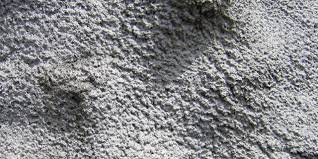

Fly ashes (FAs) are integral combustion residues generated during the burning of coal in power plants. These ashes are collected by flue emission cleaning equipment, such as electrostatic precipitators and bag filters. The composition and properties of FAs depend on the coal type and equipment utilized in power stations. However, the complex nature of FAs, characterized by their complex composition, fine size, and variable particle morphology, poses challenges in their identification, characterization, specification, and utilization.
Classification Based on Coal Type
Fly ash classification depends on the type of coal and the geological formation of the coal they provided, such as: Anthracite, bituminous, sub-bituminous, and lignite. Bituminous coal fly ash is rich in silica, alumina, iron oxide, and calcium, while lignite and sub-bituminous coal fly ash contain higher concentrations of calcium and magnesium oxide and reduced silica and iron oxide levels. Fly ash properties are influenced by factors such as boiler configuration (pulverized coal or CFB boilers), burning conditions, coal particle size, and gas cleaning equipment.
Composition and Properties
Fly ash primarily comprises fine, spherical particles with predominantly amorphous structure. Their specific gravity varies from 1.5 to 3.1 due to factors like particle shape and chemical composition. The presence of unburned carbon and iron affects the color of fly ash, which can range from orange, light gray, yellow, dark gray to white. The complexity of fly ash arises from the existence of numerous minerals, with over 316 individual minerals and 188 mineral groups identified. These minerals make ash a valuable source of rare elements. Silicon dioxide (SiO2), aluminum oxide (Al2O3), and calcium oxide (CaO) are major compounds found in coal-bearing rock strata. These major elements helps to identidy ash properties to predict its behavior into the boiler.
ASTM Classification
According to ASTM C618, fly ashes are categorized into two types: Class F and Class C, based on their chemical composition. Class F ashes contain over 70% wt% SiO2+Al2O3+Fe2O3, while Class C ashes have a content between 50 and 70 wt%. Class N is another category, encompassing natural pozzolans.
Utilization of Fly Ash
Fly ash utilization varies globally, with countries like India and China having lower utilization rates (50%)compared to Denmark, Italy, and the Netherlands (100%). Only a fraction of produced fly ash is utilized, with significant potential for increased usage. Fly ash finds application in cement, concrete, roads, reclamation, mine filling, bricks, blocks, tiles, agriculture, and more. It acts as a supplementary cementitious material, enhancing concrete properties through pozzolanic and hydraulic activity. The proportion of fly ash in concrete varies between 15% to 60% based on factors like composition, exposure conditions, and construction practices. Geotechnical applications, such as soil stabilization and landfill liners, also benefit from fly ash utilization.
Boiler Slagging and Fouling
Slagging and fouling pose maintenance challenges in coal-fired power plants. Slag, molten ash, and incombustible byproducts can adhere to furnace components, leading to slagging. Proper furnace exit temperatures are vital to prevent sticky ash. Fouling refers to deposits forming in convection passes post-furnace exit. Prevention methods include ensuring proper coal fineness, distribution, air/fuel ratio, and secondary air flow, as well as addressing coal pulverizer performance.
Following ASTM D1857 to measure ash fusion temperatures (Initial Deformation, Softening temperature, Hemispherical temperature and fluid temperature) will support the identification of low temperatures at the furnance exit gases. They should be between 50 to 80 C cooler than the ash softening temperature.
Tips for reducing/controlling slagging and fouling in the boiler:
- Optimization of air/fuel ratio in the boiler.
- Ensuring uniformly distribution of primary and secondary air to individual burners.
- Ensuring coal fineness at least 75% of material passing 200 mesh.
Fly ashes, hold immense potential for utilization across various sectors while reducing environmental impact. Their complex composition, classification based on coal type, and ASTM categorization make them versatile materials with diverse applications. Ensiring properly uses of fly ash reduces its enviromental impact while supporting other industries like cement, concrete and brick productio.
Adequate monitring, controlling and knowledge of coal ash are essential to forumalte strategies to mitigate boiler slagging and fouling for the efficient operation of coal-fired power plants. Embracing the utilization of fly ash not only reduces waste but also contributes to sustainable and innovative solutions in construction and beyond.