

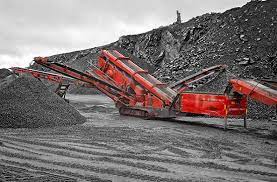
Coal management refers to the efficient and effective handling, storage, and utilization of coal resources. Coal users, which include industries, power plants, cement industries, coal mines and other coal users, can benefit from coal management in several ways:
Cost Savings: Proper coal management can help users reduce costs by optimizing coal procurement, transportation, and storage processes. This can lead to better negotiation with suppliers, lower transportation expenses, and reduced waste. You should focus on ensuring your coal value in terms of economic, quality and performance cost.
Energy Efficiency: Effective coal management ensures that the right type and quality of coal are used for specific applications, improving energy efficiency and reducing fuel consumption. This can lead to lower energy bills and increased profitability for industries. Please consider than improving energy efficiency translates into complying with environmental regulations.
Reliability and Availability: Well-managed coal stocks ensure a reliable and continuous supply of coal, reducing downtime for power plants and industrial processes. This improves overall operational efficiency and reduces the risk of interruptions. Furthermore, you can achieve safety considering that proper handling and storage of coal can prevent accidents, fires, and health hazards for workers.
Inventory Management: Effective coal management involves monitoring coal inventories closely, preventing overstocking or stockouts. This optimizes working capital and reduces financial risks associated with fluctuating coal prices. Furthermore, adequate coal handling enhances ensure an optimum quality control of the coal in the stockyard.
It is important to differentiate whether short or long term storage periods are required. “Short” or “long” are not absolute numbers, since they depend on the nature of the coal and the external factors mentioned above. For example, as a rule of thumb “short term” means anything less than 20 days. This implies that if coal is going to remain at the stockyard for more than 20 days, special precautions have to be taken to avoid self-ignition.
Storage period
Short term storage
Stockpiles for short term storage are normally built when coal freely falls by gravity and the sides of the pile have a slope equal to the angle of repose of the coal. The base of the pile has to be carefully prepared to ensure that water is not accumulated at the bottom of the pile and it drains out of the stockpile. For short term storage, a “first in – first out” rule has to be strictly followed to reduce long residence time of the coal in the pile. It is recommended to restrict the height of the pile to no more than 8/9 meters, to reduce the area of the pile facing the direction of the wind. A frequent monitoring of coal temperature in the stockpile is required to prevent self-ignition.
Long term storage
Assuming coal is going to remain in the stockpile for more than 20 days, the precautions for long term storage have to be taken into consideration. The first aspect to consider is the construction of the stockpile. The second aspect to be considered is the slope of the faces of the stockpile. Even well compacted piles could get deteriorated because of rains, so whenever the surface is damaged, it has to be re-built and compacted to get the right density. The better the compaction, the lower the amount of air entering into the stockpile and the lower the possibilities of self-heating/self-combustion.

Temperature monitoring
Self-combustion never starts at the surface of the stockpile, it always occurs between 60 cm and 3 meters (depending on the size of the pile) below the surface of the pile. This fact suggests that temperature of the coal in the stockpile has to be frequently monitored at different depths. Special thermo-probes have been designed for this particular purpose.
Sustainability: Implementing sustainable coal management practices can reduce the environmental impact of coal use. Responsible coal management can enhance a company’s reputation and align with social responsibility goals. Companies that demonstrate a commitment to minimizing the environmental and social impact of coal use can attract environmentally conscious customers and investors.
Overall, effective coal management can help coal users optimize their operations, reduce costs, improve environmental performance, and ensure a reliable supply of energy or coal, all of which contribute to the sustainability and competitiveness of their businesses.